
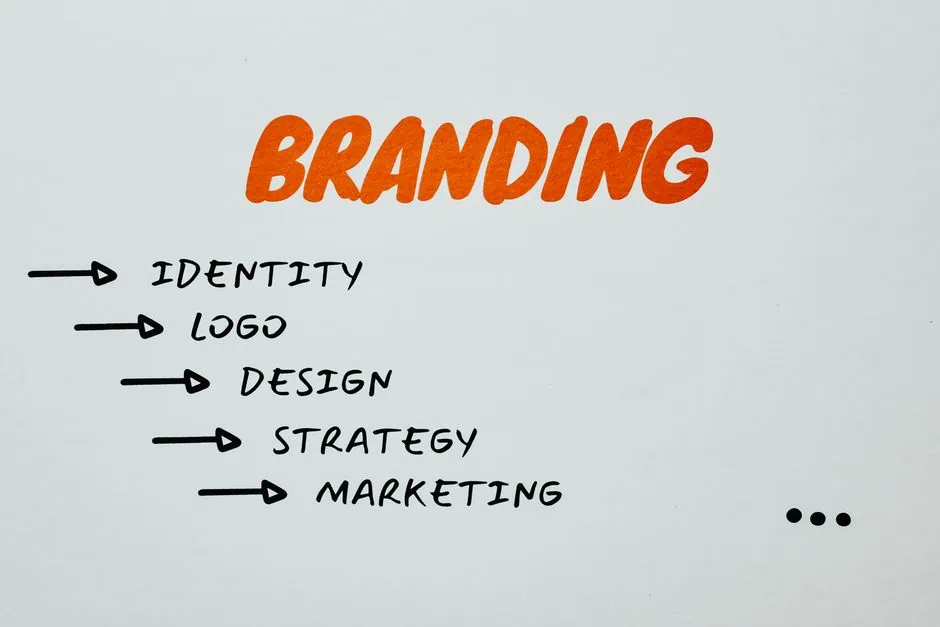
Graphic design for marketing campaigns is the visual language that makes your message stick. When done right, it turns scrolling browsers into engaged customers. It’s the difference between a campaign people ignore and one they remember, share, and act on.
The truth? Your competitors are already using design to their advantage. If your marketing materials look outdated, poorly organized, or amateur, potential customers make snap judgments about your entire brand. Within milliseconds. That’s the power—and the pressure—of graphic design in marketing.
Related: Graphic Design for Print: Essential Tips & Best Practices
Here’s what you need to know to get it right, and why working with a professional partner like Market Design Team makes all the difference for small businesses trying to compete.
What Role Does Graphic Design Play in Marketing Campaigns?
Graphic design is the vehicle for your marketing message. It takes your strategy, your value proposition, and your brand personality—and makes it visible, memorable, and shareable.
Without solid design, even the best marketing idea falls flat. With it, your campaign gets:
- Higher engagement rates across digital channels
- Better brand recall (people remember visuals 80,000 times faster than text)
- Increased click-through rates on ads and emails
- More social media shares and organic reach
- Stronger trust and credibility with your audience
Think about the last ad that actually stopped you mid-scroll. Was it the copy or the design? Ninety-nine times out of a hundred, it’s the visual that caught your eye first. Design is your opening act. If it’s good, the message gets heard.
Where Graphic Design Shows Up in Your Marketing
Graphic design isn’t a one-trick pony. It touches almost every part of your marketing ecosystem.
Social Media Posts and Stories
Your social feeds are visual-first platforms. A well-designed post stops the scroll. Poor design gets lost in the noise. Your graphics need consistent color schemes, readable typography, and clear calls-to-action that make sense at mobile sizes.
Related: Graphic Design for Social Media: A Practical Guide
Email Marketing Materials
Email design balances aesthetics with function. You need layouts that look good on phones and desktops, images that load fast, and visual hierarchy that guides readers to your CTA. Ugly emails get deleted. Designed emails get opened and clicked.
Landing Pages and Web Design
Your website is your digital storefront. Every element—layout, color, imagery, spacing, typography—works together to guide visitors toward conversion. Poor design creates friction. Great design removes it.
Google Ads and Paid Advertising
Whether you’re running search ads or display campaigns, design matters. Ad visuals compete for attention in crowded spaces. Your graphics need to be instantly recognizable, on-brand, and compelling enough to justify the click.
Printed Marketing Materials
Business cards, brochures, flyers, signage—these still work, and design is everything. In Southeast Texas, local businesses that invest in polished printed materials stand out against competitors using generic templates.
Key Design Elements That Drive Campaign Success
Not all graphic design is created equal. The best marketing designs follow fundamental principles that have worked for years—and continue to evolve with new trends.
Color Strategy
Colors trigger emotions and associations. Red creates urgency. Blue builds trust. Green signals growth or sustainability. Your color palette should align with your brand personality and your campaign goal. Consistent color use across all touchpoints strengthens brand recognition.
Typography and Readability
Font choice is not decoration. It’s part of your brand voice. Serif fonts feel traditional. Sans-serif feels modern. Script fonts feel premium or playful. Your type needs to be readable—especially on small screens—and it should support your message, not compete with it.
Visual Hierarchy
Guide your audience’s eye to what matters most. Use size, weight, color contrast, and spacing to create a clear path from headline to subheading to body copy to CTA. Without hierarchy, everything feels equally important, and nothing stands out.
Imagery and Photography
Stock photos are fine if they feel authentic to your brand. Authentic, custom imagery is better. Your photos and illustrations should tell your story and feel like they belong together. Mismatched imagery confuses your message.
White Space
Empty space isn’t wasted space. It’s breathing room. Design that’s too crowded feels chaotic. Design with intentional white space feels professional and organized. Your eye knows where to look.
How to Approach Graphic Design for Your Campaigns

Building a strong design system for marketing requires strategy, not just talent.
Step 1: Define Your Brand Foundation
Before you design a single campaign, establish your brand guidelines. What’s your color palette? Your logo? Your fonts? Your tone of voice? These aren’t restrictions—they’re your operating system. Every campaign becomes faster and more cohesive when you’re working from a clear foundation.
Step 2: Match Design to Campaign Goals
A campaign selling luxury services needs different visual treatment than one promoting a flash sale. A B2B campaign speaks differently than a B2C one. Your design should align with your objective—whether that’s brand awareness, lead generation, or sales.
Step 3: Adapt Across Channels
Your core design will look different on Instagram, in email, on a landing page, and on a billboard. That’s normal. Your design system should flex to fit each channel while staying recognizable. A design that’s beautiful but only works on desktop is incomplete.
Step 4: Test and Refine
Not every design works. A/B testing your visuals shows you what resonates. Does your audience respond better to lots of imagery or minimal design? Warm tones or cool tones? Bold headlines or subtle ones? Use the data to inform your next iteration.
This is where professional guidance becomes invaluable. Market Design Team helps small and mid-sized businesses move past guesswork and build design systems that perform.
Why Professional Design Beats DIY for Marketing Campaigns
Yes, you can create graphics yourself. But there’s a difference between having design software and understanding design principles, psychology, marketing strategy, and what actually converts.
Professional designers bring:
- Strategic thinking about how design supports your business goals
- Technical knowledge of file formats, sizing, and platform requirements
- Industry experience with what works and what doesn’t
- Time savings—so you can focus on running your business
- Consistency across all your marketing materials
- Accountability for results
A designer who understands your industry, your customers, and your competitive landscape creates work that performs. Work that looks good and drives action. That’s the investment that pays back.
Building a Design System That Scales
As your business grows, your marketing output increases. More campaigns. More channels. More materials. Without a system, you end up with visual chaos—different fonts, mismatched colors, no consistency.
A solid design system solves this. It includes:
- Brand guidelines (logo, colors, fonts, imagery style)
- Template systems for repeated materials
- Asset libraries (approved photos, icons, patterns)
- Usage guidelines so everyone on your team stays on brand
This doesn’t restrict creativity. It enables it. Your team moves faster. Your brand feels stronger. Your campaigns perform better because they’re built on a foundation that works.
When you’re ready to move beyond scattered efforts and build something that actually scales, that’s when you work with a partner who gets the full picture. Market Design Team doesn’t just hand you pretty designs—we build systems that support your entire marketing strategy.
The Intersection of Design, Copywriting, and Strategy
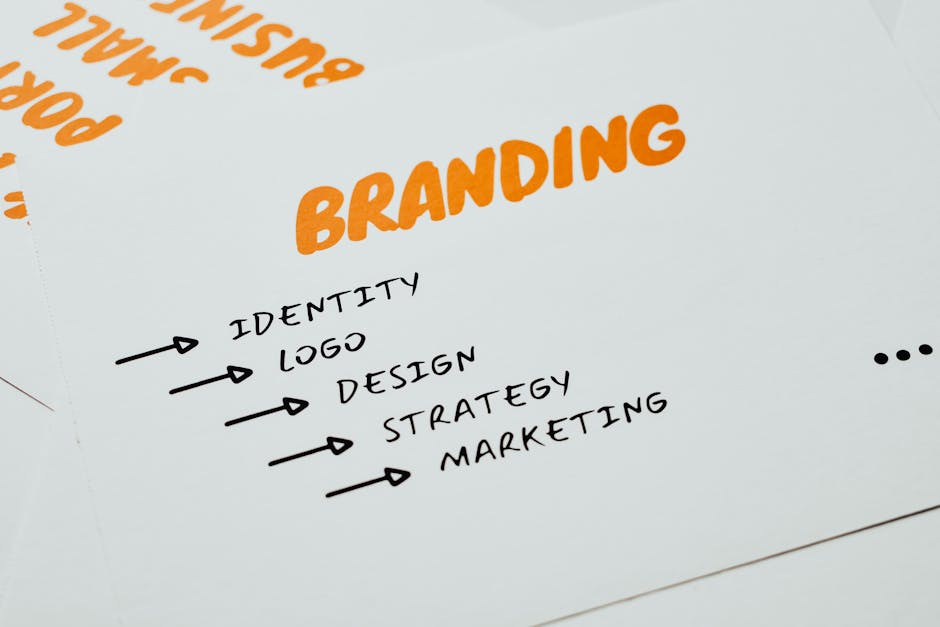
Here’s what people often miss: graphic design doesn’t exist in a vacuum. It works alongside your copy, your messaging strategy, and your overall campaign objective.
The best marketing campaigns are designed by people who understand all three. A designer who gets copywriting can create hierarchy that makes headlines pop and CTAs impossible to miss. A designer who understands your customer journey can guide behavior through visual cues.
This is why full-service agencies often outperform freelancers or DIY efforts. When branding, design, messaging, and strategy all come from one place—aligned and coordinated—the results multiply.
Keeping Up with Design Trends Without Chasing Fads
Design trends move fast. Bold colors, minimalism, retro styles, motion graphics, custom illustrations. What’s hot today might feel dated in 18 months.
The key is knowing the difference between timeless design and trendy design. Your brand guidelines should feel timeless. Your campaign designs can reflect current trends as long as they still align with who you are.
A professional team stays current on design trends, testing what works for your specific audience and industry. You get the benefit of modern design without chasing every shiny new thing. According to Nielsen Norman Group’s research on visual hierarchy, users scan web pages quickly and respond to clear visual design—not novelty.
Getting Started with Better Marketing Design
You don’t need to overhaul everything at once. Start by auditing your current marketing materials. Do they feel cohesive? Do they reflect your brand accurately? Are they performing?
Then, pick one high-impact area to improve first. Maybe it’s your landing pages. Maybe it’s your social media presence. Maybe it’s a new campaign launch. Build from there.
The businesses that win aren’t the ones with the most complex designs. They’re the ones with strategic, consistent, purposeful design that makes their marketing work harder and converts more effectively. That’s achievable for your business, too.
What Graphic Design Elements Matter Most for Small Businesses?
For small businesses competing locally, consistency beats complexity every time. Your color palette, logo, and typography should be immediately recognizable across your website, social media, email, and local ads. Clean, professional design that reflects your values matters more than flashy effects. When someone sees your marketing, they should instantly know it’s you.
How Do I Know If My Campaign Design Is Working?
Look at the metrics that matter: click-through rates on ads, email open rates, social engagement, and conversion rates on landing pages. If your design changes correlate with performance improvements, it’s working. If not, test a different approach. Also pay attention to qualitative feedback—how do customers and prospects respond when they see your materials?
Should I Update My Marketing Design Regularly?
Yes, but strategically. Your core brand identity should stay stable so people recognize you. Within that, your campaign designs can evolve, reflect seasonal themes, or respond to market changes. A refresh every 2-3 years keeps you feeling current without losing recognition. More frequent updates should be intentional, not reactive.
What’s the Difference Between Web Design and Marketing Graphic Design?
Web design focuses on user experience, navigation, and how people interact with your site. Marketing graphic design focuses on visual communication, messaging, and persuasion. They overlap—your website is a marketing tool—but the priorities are different. Good web design is functional first. Good marketing design is persuasive first. Both matter; they serve different purposes in your overall strategy.


